
Maritime
$45.9B
Business revenue
supported*
174,000
Jobs supported*
$14B+
Labor income supported*
$68B
In waterborne trade**
31%
Marine GDP from ship
and boat building***
Maritime tradition meets innovation
Washington state is where maritime tradition meets the future of marine innovation—and where the next big thing begins. From shipyards and seafood to clean technologies and autonomous vessels, Washington’s maritime industry brings together global trade, advanced manufacturing, sustainability and innovation.
Together, these strengths propel the development of next-generation marine technologies. With centuries of maritime expertise, a skilled workforce and infrastructure that connects businesses to global markets, Washington is helping shape the future of the blue economy.
Many industries. One maritime economy.
Washington’s maritime heritage stretches back thousands of years to the Coast Salish peoples, whose knowledge of the region’s waterways supported transportation, trade and thriving communities—and whose maritime traditions continue today.
Washington’s maritime economy brings together commercial fishing, seafood processing, shipbuilding, marine transportation, logistics and emerging technologies. From established businesses to innovative startups, these interconnected industries draw on shared infrastructure, skilled workers and specialized expertise to create opportunities for investment and growth.
*Source: The Economic Impacts of Washington’s Maritime Industry, 2022 Washington Maritime Federation
**Source: The Northwest Seaport Alliance, 2025 cargo statistics
***Source: 2024 Marine Economy Report: Washington State, NOAA Office for Coastal Management
Contact us
Want to begin or grow exports?
Tammy Deets
Clean Technology, Advanced Manufacturing & Maritime Exports Manager
Want to connect with industry partners?
Contact Shannon Matson
Mobility Economy Lead
Want to grow or locate your business in Washington State?
Radi Simeonova
Managing Director, Business Development

Charting a course to competitive advantage
Washington’s maritime industry draws strength from interconnected advantages: global connections, a skilled workforce, advanced technologies and a collaborative business environment. Together, these strengths create opportunities for companies to innovate, compete and grow:
- A globally connected maritime and logistics hub
- Advancing clean maritime technologies
- Shipbuilding, advanced manufacturing and marine technologies
- A skilled maritime workforce and talent pipeline
- A diverse, interconnected maritime economy that continues to evolve
An industry united by collaboration
Washington’s maritime industry benefits from organizations that bring businesses, researchers and public agencies together to advance shared priorities. The Washington Maritime Federation provides a unified voice for the state’s diverse maritime industries, supporting collaboration, economic development and industry advocacy.
Building on Washington’s statewide blue economy strategy, Washington Maritime Blue connects industry, government, research institutions and investors to accelerate innovation, support entrepreneurship and advance sustainable maritime technologies. Together, these organizations help strengthen Washington’s maritime economy and create opportunities for business growth.
Helpful connections
Maritime Blue
Maritime Blue strategic action plan (2025)
Trade associations
- Washington Maritime Federation
- Washington Public Ports Association
- Northwest Marine Trade Association
Worforce training resources
- University of Washington, School of Marine and Environmental Affairs
- University of Washington, School of Aquatic and Fishery Sciences
- Seattle Central Community College, Seattle Maritime Academy
- Pacific Maritime Institute
- Northwest Center of Excellence for Marine Manufacturing and Technology
- University of Washington College of the Environment
Industry snapshot
$45.9 billion in business revenue supported: Washington’s maritime industry generates economic activity across vessel manufacturing, commercial fishing, seafood processing, transportation, logistics and supporting businesses
174,000+ jobs supported: Maritime activity supports employment across the industry and throughout Washington’s broader economy, including jobs generated through suppliers and household spending
$14 billion+ in labor income supported: Wages, salaries and other labor earnings associated with maritime activity contribute to communities and households across the state
$68 billion in waterborne trade: In 2025, the Northwest Seaport Alliance, a partnership between the ports of Seattle and Tacoma, connected Washington businesses to global markets through international cargo trade
31% of Washington’s marine GDP from ship and boat building: Vessel construction is a significant contributor to the state’s marine economy, underscoring Washington’s established manufacturing capabilities and opportunities for continued industry growth
In depth
Explore Washington's maritime advantages
From global trade connections and advanced manufacturing to clean technologies and a skilled workforce, Washington offers the infrastructure, expertise and collaborative environment maritime businesses need to succeed. Explore the competitive advantages that help companies innovate, expand and reach new markets.
A globally connected maritime and logistics hub
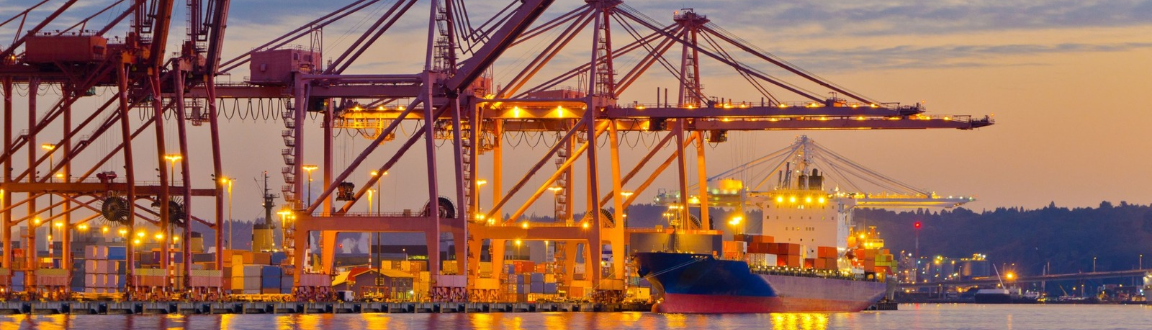
Washington state connects businesses to markets across the Pacific and around the world. Our deep-water ports, rail and highway networks, and inland waterways create an integrated transportation system that moves goods efficiently between producers, manufacturers and customers.
Connecting Washington to the world
- Global market access: The Northwest Seaport Alliance, a partnership between the ports of Seattle and Tacoma, handled nearly $68 billion in waterborne trade with 175 global trading partners in 2025. Its marine cargo facilities connect businesses to international markets, particularly across the Pacific, and provide important domestic connections to Alaska and Hawaii
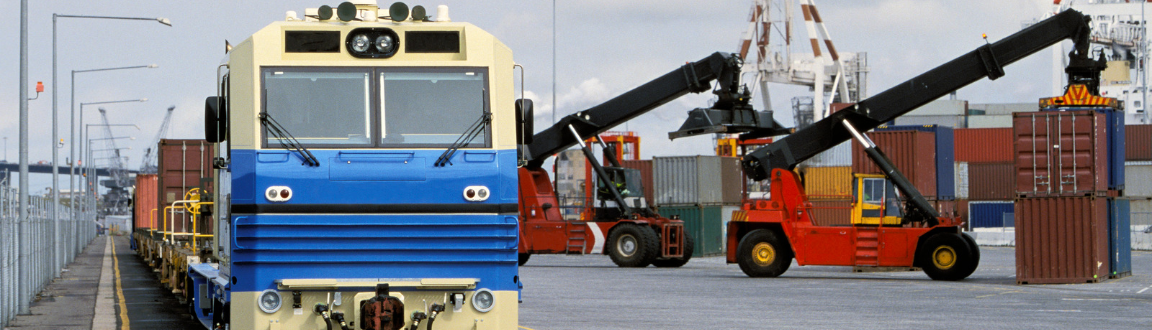
- Integrated transportation network: Washington’s deep-water ports connect with major rail lines, highways, distribution centers and inland waterways. These transportation options help businesses move raw materials, manufactured products and finished goods between regional, national and international markets
- Inland waterways and trade: The Columbia–Snake River system extends Washington’s maritime connections inland, linking Eastern Washington farms and businesses to ocean shipping routes. This commercial waterway supports the movement of wheat, agricultural products and other cargo to customers around the world
Innovation in action
In February 2026, the Northwest Seaport Alliance and the ports of Benton, Pasco and Walla Walla signed an agreement to collaborate on a proposed inland logistics hub, strengthening connections between Eastern Washington businesses and international shipping routes. Read the Northwest Seaport Alliance announcement
Advancing clean maritime technologies
Washington is advancing cleaner maritime transportation through vessel electrification, alternative fuels and shore-power infrastructure. Collaboration among industry, government and research institutions helps turn new technologies into practical solutions that reduce emissions and support the future of maritime commerce.
Powering the future of maritime transportation
- Hybrid-electric ferries: Washington State Ferries is modernizing its fleet with cleaner propulsion technologies. In 2025, the Wenatchee returned to service following its conversion to hybrid-electric operation by Seattle-based Vigor Marine, demonstrating Washington’s expertise in complex vessel modernization
- Shore power and charging: Washington ports and ferry terminals are investing in electrical infrastructure to reduce vessel emissions. The Port of Seattle offers shore power at all three cruise berths, allowing equipped ships to connect to landside electricity rather than run their engines while docked. Washington State Ferries is also planning terminal charging infrastructure to support its hybrid-electric fleet
- Collaborative innovation: Washington’s maritime businesses, research institutions and public agencies are working to develop and test cleaner propulsion systems, alternative fuels and other technologies that support more sustainable marine operations. These partnerships help move promising ideas toward practical commercial applications
Innovation in action
Seattle-based Vigor Marine completed the Wenatchee ferry’s hybrid-electric conversion in 2025, demonstrating Washington’s capabilities in advanced vessel modernization and cleaner propulsion technology. Read Vigor Marine’s project announcement
Shipbuilding, advanced manufacturing and marine technologies
Washington’s shipbuilding heritage continues through a diverse network of commercial and specialty boatbuilders, shipyards, marine manufacturers and technology companies. From constructing new vessels to repairing and modernizing existing fleets, Washington businesses combine maritime expertise with advanced manufacturing capabilities to meet changing industry needs.
Washington’s shipbuilding strengths
- Ship and boat building: Washington’s shipyards and specialty manufacturers build commercial, recreational and work vessels, drawing on expertise in metal fabrication, marine engineering, vessel design and systems integration
- Vessel repair and modernization: Shipyards and marine service providers maintain, repair and retrofit vessels, supporting commercial operators, passenger transportation and the U.S. Navy
- Advanced manufacturing and technology: Washington’s strengths in aerospace, engineering and technology complement its maritime capabilities, creating opportunities to apply advanced materials, digital systems, automation and emerging technologies to vessel design and production
- Vessel recycling and fleet renewal: As operators consider replacing aging vessels and adopting cleaner technologies, vessel dismantling, material recovery and responsible recycling represent potential areas for industry development and investment
Innovation in action
Investing in the future of naval shipbuilding and repair: The U.S. Navy is deploying a long-term modernization program at the Puget Sound Naval Shipyard in Bremerton through its Shipyard Infrastructure Optimization Program. Plans include a new multi-mission dry dock and supporting waterfront improvements represent significant opportunities to strengthen the region’s naval maintenance and repair capabilities. Learn more about the Navy’s Multi-Mission Dry Dock project
Building on the state’s specialty boatbuilding industry: Bremerton-based Inventech Marine Solutions, maker of Life Proof Boats, demonstrates how Washington’s specialized manufacturers are expanding their capabilities. With support from Commerce’s Evergreen Manufacturing Growth Grant program, the company expanded its manufacturing space, enabling production of larger vessels, improved efficiency and additional manufacturing jobs. Watch Commerce’s Life Proof Boats video
A skilled maritime workforce and talent pipeline
Washington’s maritime workforce brings together generations of industry experience and specialized technical expertise. Shipbuilders, engineers, mariners, technicians and marine professionals support an industry that spans vessel manufacturing, commercial transportation, fishing, logistics and emerging technologies. Colleges, technical schools and apprenticeship programs help prepare the next generation of workers to meet changing industry needs.
Developing talent for a changing industry
- Skilled maritime professionals: Washington’s workforce includes vessel operators, shipbuilders, welders, marine engineers, electricians and technicians whose expertise supports maritime operations, vessel construction and advanced manufacturing
- Education and career pathways: Community colleges, maritime academies, technical schools and apprenticeship programs offer hands-on instruction in marine operations, engineering, welding, vessel maintenance and other specialized skills
- Industry-connected training: Partnerships between employers and training providers combine classroom instruction, simulation and on-the-job experience, helping workers develop practical skills and pursue maritime careers
Innovation in action
Preparing the next generation of maritime professionals: The Northwest Maritime Center in Port Townsend provides hands-on maritime education and career training, connecting students with practical experience and pathways into the industry. In 2026, the U.S. Maritime Administration designated the center a national Center of Excellence for Domestic Maritime Workforce Training and Education, recognizing its contributions to maritime workforce development. Learn more about the Northwest Maritime Center’s federal designation
A diverse, interconnected maritime economy that continues to evolve
Washington’s maritime economy extends far beyond its ports and shipyards. Commercial fishing, seafood processing, passenger transportation, recreational boating and specialized marine services contribute to a diverse network of businesses that serve regional, national and international markets. Together, these industries create opportunities for suppliers, service providers, manufacturers and entrepreneurs throughout the state.
Many sectors. Shared opportunities.
- Commercial fishing and seafood processing: Washington’s fishing fleets, seafood processors and aquaculture businesses connect the state’s marine resources and expertise to domestic and international markets
- Passenger transportation: Ferries, cruise operations and passenger vessels connect communities, support tourism and create demand for vessel maintenance, marine equipment and related services
- Recreational boating: Boat manufacturers, marinas, repair facilities, equipment suppliers and marine businesses serve Washington’s recreational boating community and customers beyond the state
- Maritime support services: Naval architects, marine engineers, environmental specialists, technology providers and other professional services support maritime operations, vessel development and industry growth
- An interconnected supply chain: Businesses across these sectors rely on shared infrastructure, specialized suppliers, skilled workers and technical expertise, creating opportunities for partnerships and investment
Innovation in action
Building new opportunities in seaweed aquaculture: Washington Maritime Blue worked with seaweed growers and industry partners to explore opportunities for a growing aquaculture industry. The initiative examined shared infrastructure, market development and industry collaboration, resulting in a 2025 roadmap to support the sector’s future growth. Explore Maritime Blue’s seaweed aquaculture initiative
Office Hours
M-F: 8am - 5pm
Address
2001 Sixth Ave., Suite 2600, Seattle, WA 98121
ChooseWashington@commerce.wa.gov
Phone
(206) 256-6100